No Casino Required: How Americans Are Playing on Their Own Schedule — and Winning
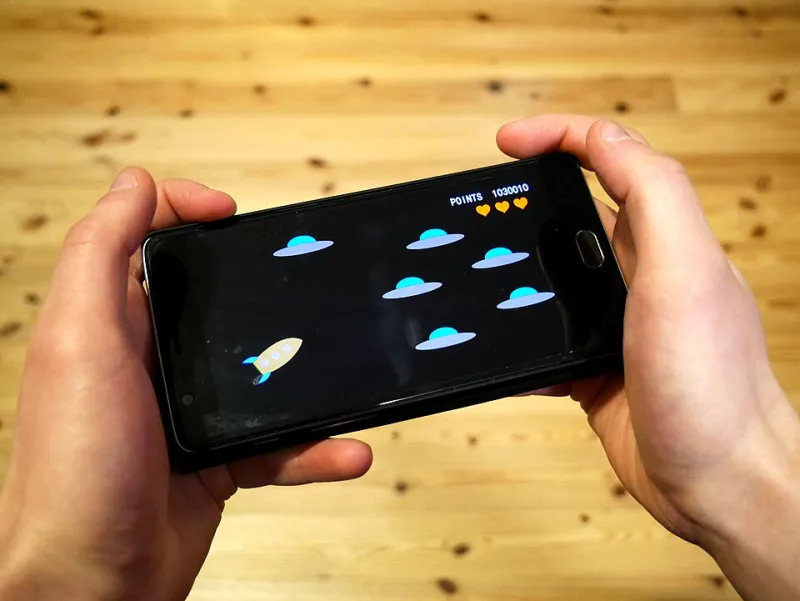
Photo: Santeri Viinamäki, CC BY-SA 4.0, via Wikimedia Commons
Marcus, a 34-year-old logistics coordinator from Nashville, used to make the drive to a casino about twice a year. Two hours each way, a hotel stay if the night ran long, and a whole weekend carved out of a life that doesn't always cooperate with that kind of planning. These days, he plays on his phone during his lunch break. Sometimes for fifteen minutes. Sometimes longer if the session is going well.
"I'm not doing anything different, really," he says. "I'm still playing the same games I used to play. I just don't have to build my whole weekend around it anymore."
Marcus's story isn't unusual. Across the United States, mobile gaming technology is quietly rewriting the relationship between players and the games they love — not by changing the games themselves, but by dissolving the barriers that used to define when and where those games could happen.
The Commute Crowd
Public transit in American cities has become an unexpected hotbed of mobile gaming activity. Riders on the Chicago L, the NYC subway, and the DC Metro are increasingly using their commute time for something more engaging than doomscrolling — and mobile casino games have carved out a significant share of that attention.
The appeal is practical as much as recreational. A commute is dead time by default. It has a defined beginning and end, which creates a natural session structure. You board the train, you open your game, and when your stop comes up, you close it. The built-in time limit actually suits mobile gaming well — it discourages the kind of extended, unfocused play that can lead to poor decisions.
Jessica, a 28-year-old marketing analyst who commutes into Boston three days a week, describes her morning routine as "coffee, podcast for the walk to the station, slots for the ride in." She sets a budget before she opens the app and sticks to it. "It's genuinely fun," she says. "It wakes my brain up before I have to actually think about work."
The Late-Night Serious Players
On the other end of the spectrum are the players who wait until the house is quiet. Kids asleep, partner watching something they're not interested in, the particular stillness of a Tuesday at 11 PM. This is when a different kind of mobile player emerges.
These aren't casual spinners. They've done their research on RTP rates. They know which games have the bonus mechanics they prefer. They've read strategy guides and they approach a session the way someone might approach a poker table — with intention.
Derek, a 41-year-old high school teacher from Phoenix, fits this profile exactly. "During the day I'm 'on' constantly," he explains. "Late night is my time. I play for maybe an hour, I've got my bankroll managed, and I genuinely enjoy it. It's not that different from someone who unwinds with a video game."
For players like Derek, the smartphone isn't just a convenient delivery mechanism — it's an enabler of a lifestyle that wouldn't otherwise be possible. A brick-and-mortar casino at 11 PM on a weeknight requires a level of logistical commitment that most adults with jobs and families simply can't sustain.
Geography Is No Longer a Barrier
Here's something worth sitting with: the nearest casino to roughly 60% of the US population requires at least an hour of driving. For players in rural states, that number climbs significantly. Mobile gaming hasn't just made casino-style entertainment more convenient — for a huge segment of American players, it's made it genuinely accessible for the first time.
That democratization effect is hard to overstate. A player in rural Montana has access to the same games, the same bonus features, and the same potential payouts as someone who lives twenty minutes from the Las Vegas Strip. The smartphone is the great equalizer of the gaming world.
Amanda, who lives outside of Bozeman and describes the nearest casino as "a long drive and a lot of nothing," started playing mobile games during the pandemic and never stopped. "I actually know more about slots now than I ever would have if I'd had to go somewhere to play," she says. "I had time to actually learn the games."
How Smartphones Changed the Social Layer
One underappreciated dimension of the mobile gaming shift is what it's done to the social dynamics around play. Casino gaming used to be a group activity by default — you went with friends, you celebrated wins together, you shared the experience in real time.
Mobile gaming fractured that model, but it didn't eliminate the social element. It moved it online. Discord servers, subreddits, and gaming-specific social channels have emerged as the new floor conversation. Players share screenshots of big wins, debate which games are worth playing, and swap tips about bonus features with the same energy that used to happen over a cocktail at the slots.
There's also an emerging trend of synchronized play — friends who aren't in the same city agreeing to play the same game at the same time and sharing their results in a group chat. It's a distinctly 2024 way of maintaining a shared experience across distance.
The Platform That Fits Your Life
What all of these players have in common — Marcus on his lunch break, Jessica on the commute, Derek after midnight, Amanda in Montana — is that they're playing on their own terms. The rigid structure of the traditional casino experience, with its geography and operating hours and social expectations, has given way to something more personal.
At SkyCrown, that shift is exactly what we've built around. A mobile-first platform isn't just a smaller version of a desktop site — it's a fundamentally different philosophy about when gaming should happen and who it should be available to. Royal wins don't require a road trip. They just require your phone and a few minutes to call your own.
The players redefining American gaming habits aren't doing anything radical. They're just refusing to let geography and scheduling dictate their fun. Honestly? That seems like the smartest play of all.