Free Chips, Real Consequences: What Social Casino Apps Are Actually Training You to Do
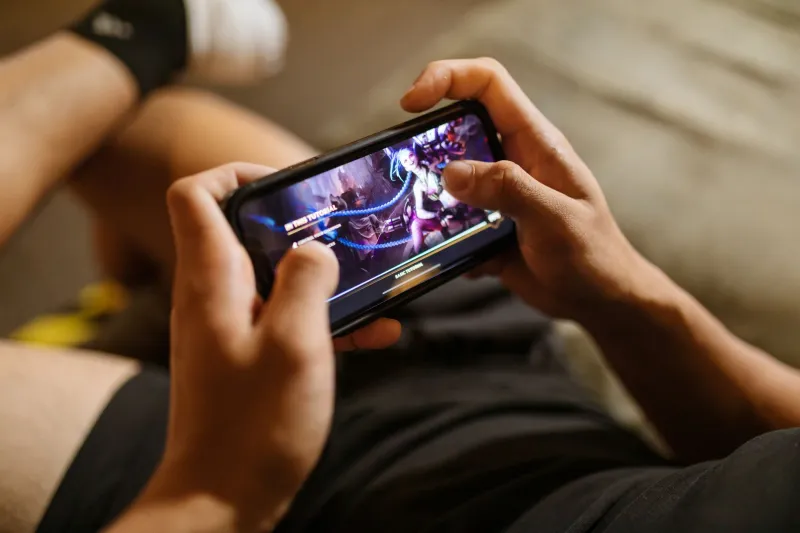
Scroll through the App Store on any given evening and you'll find them by the dozens: slot games with Vegas lights, poker rooms with dealer avatars, and blackjack tables that never close. They're free to download, free to play, and — on the surface — free of risk. No dollars in, no dollars out. Just chips.
Except that's not the whole story. Social casino and sweepstakes-style apps have become one of the fastest-growing corners of American mobile gaming, and they're doing something no one talks about much: teaching tens of millions of players how to gamble before they ever wager a real cent.
The question worth asking isn't whether these apps are fun. It's what habits they're installing — and which of those habits survive contact with an actual bankroll.
The Virtual Chip Problem
Here's the core issue with play-money chips: they don't hurt when they're gone.
When you blow through 50,000 virtual coins in a bad blackjack session, your brain registers a minor annoyance, not a loss. There's no rent money in play, no gas budget, no late-night math about whether you can cover a bill. That emotional absence is precisely what makes social casino games so relaxing — and precisely what makes them poor training for real-money decisions.
Real gambling, at its core, is an exercise in loss management. The players who last are the ones who feel the sting of a loss proportionally and adjust. Social apps, by design, mute that signal. Some even refill your balance automatically after a cooldown timer, which quietly teaches one of the most dangerous lessons in gambling: the money always comes back.
It doesn't. Not when it's real.
What Actually Transfers to Real Play
It's not all bad news. Spend enough hours on a well-built social poker app or a sweepstakes blackjack table and you'll pick up genuinely useful skills:
- Basic strategy becomes muscle memory. Hitting 16 against a dealer's 10, knowing when to split eights — these decisions cost nothing to drill in a free app, and they translate perfectly to real tables.
- Reading game mechanics. Paylines, volatility, RTP, bonus round triggers — social slots are structurally identical to their real-money cousins. Learning how a high-volatility game actually behaves is valuable homework.
- Poker fundamentals. Hand rankings, position, pot odds, table reading. Free poker apps are arguably the single best training ground in mobile gaming, because the skill ceiling is high and the math doesn't change when chips get real.
- Session discipline basics. Even casual players on social apps notice when they've been playing too long. That self-awareness is the raw material of bankroll management.
If you're going to spend time on these apps anyway, treat them like a flight simulator. Learn the controls. Just remember the simulator doesn't run out of fuel.
The Habits That Backfire
Now for the flip side — the behaviors social apps reward that will empty a real bankroll with impressive speed.
Chasing with no consequence. Social apps let you rebuy infinitely, often for free. Real-money players who internalize that pattern end up topping up after every losing session, which is the textbook definition of chasing losses.
Max-bet everything. Many social slots encourage slamming the biggest bet size because, hey, the chips are fake. On a real-money slot, max bets on a high-volatility game can torch a modest bankroll in minutes. Bet sizing is a strategy decision, not a button to mash.
Confusing hot streaks with skill. Social apps — especially sweepstakes-style ones — are often more generous than real casinos because player retention is the whole business model. If your free-chip slot pays out like a slot machine on a bender, you're learning a payout rhythm that doesn't exist at a licensed real-money casino.
Ignoring the house edge entirely. Because nothing real is at stake, most social players never think about RTP or expected value. That's fine for entertainment — but carry that indifference into real play and you'll make game choices that cost you 3–5% more per bet than you need to.
The Sweepstakes Gray Zone
A quick word for US players, because the landscape here is genuinely confusing. Sweepstakes-style apps operate in a legal gray area that varies by state: they use dual-currency systems (one for play, one that can be redeemed for prizes), which lets them run in most states where traditional online casinos haven't launched. Some are legitimate operations with real redemption processes; others are aggressive monetization machines dressed up in free-chip language.
Before downloading anything, check three things: whether the app is transparent about its sweepstakes rules, whether redemptions have published processing times and limits, and what users in your state actually report about cashing out. If the "free" version is constantly pushing coin purchases with escalating bundles, understand what you're looking at — that's a spending loop, not a giveaway.
How to Use Free Apps the Right Way
If you want to treat social casino apps as a training ground — and there's nothing wrong with that — here's the honest playbook:
- Practice decisions, not outcomes. Judge yourself on whether you made the right blackjack play or poker call, not whether the chip count went up.
- Rehearse bankroll rules with fake money. Give yourself a virtual "bankroll" of, say, 100 units and refuse to exceed it no matter what. Enforcing a fake limit is surprisingly good practice for enforcing a real one.
- Set a timer, not a budget. Since there's no money at stake, the discipline worth building on free apps is time discipline — the habit most real-money players wish they'd started with.
- Never buy chips if you intend to play for real later. If you're spending money on a social app, that's entertainment spending. Don't mentally book it as gambling practice or "warming up."
The Bottom Line
Social casino apps aren't villains. They're free entertainment with genuinely useful mechanics for learning how games work — and a handful of lessons that will quietly cost you money if you import them unexamined.
The players who transition successfully to real-money mobile gaming tend to be the ones who treat free play as study and real play as something entirely different: a budgeted, time-limited form of paid entertainment where the chips — finally — actually count.
Learn the game for free. Respect the money for real. That's the whole trick.